By Andreea Delaney, October 7, 2026
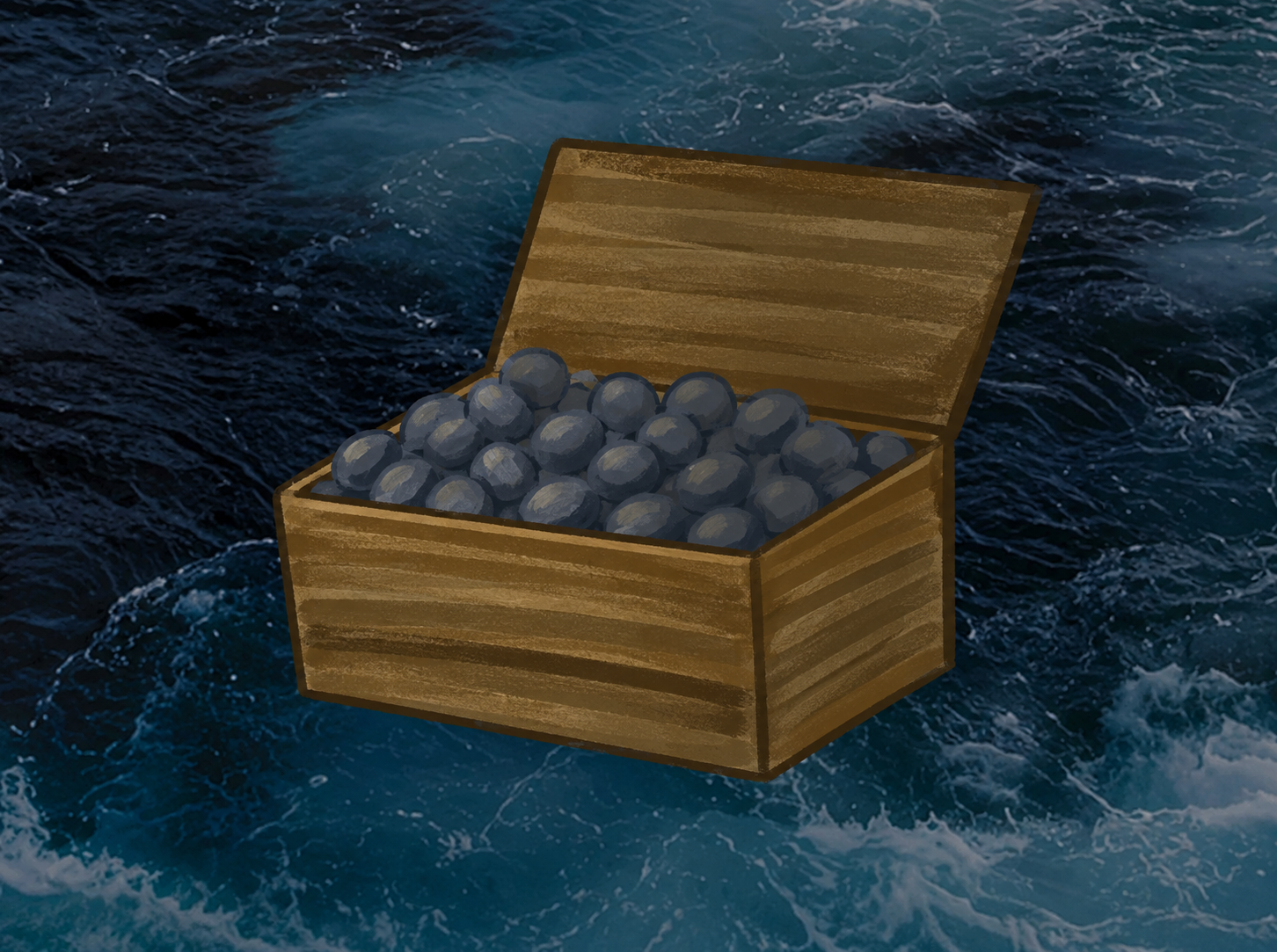
Deep beneath the ocean floor lies a hidden treasure: trillions of potato-size lumps containing 500 billion tonnes of minerals (Fogarty, 2025, para. 14).
Following the Cold War, with an increased technological capability to chase previously inconceivable economic prosperity, deep-sea mining was introduced as a novel idea. It was an enticing thrill in exploring the vast sea to acquire hidden treasures.
Although a few test operations proved that deep-sea mining was feasible, they also exposed its costs. Environmental damage, expensive technology, and international legal obstacles surrounding United Nations Convention on the Law of the Sea (UNCLOS) and the International Seabed Authority (ISA) made the promise of deep-sea mining much more complicated than it first appeared. As a result, no full-scale commercial projects moved forward for decades.
Until now.
On April 24, 2025, President Trump issued an executive order to accelerate deep-sea mining for critical minerals in United States’s controlled and international waters (Fogarty, 2025, para. 3).
What does this mean for the ocean?
The executive order is driven by economic and political goals, but can those goals outweigh the environmental damage deep-sea mining has the potential to cause? And could deep-sea mining create new international conflicts that only make the collective fight against climate change more difficult?
But why are we even looking to the bottom of the ocean for critical minerals? Where does our current supply of critical minerals come from?
The United States may have its own land-based mines, but they aren’t enough to meet the country’s demand for critical minerals.
In 2024, the U.S. relied heavily on imports. These included 80% of rare earth elements it used, along with all of its gallium and natural graphite, and between 48% and 76% of lithium, nickel and cobalt (Tang & McWhorter, 2025, para. 3).
With demand growing and imports filling the gap, the push for self-sufficiency has intensified the search for new sources.
And we already know where one of these mineral rich regions is.
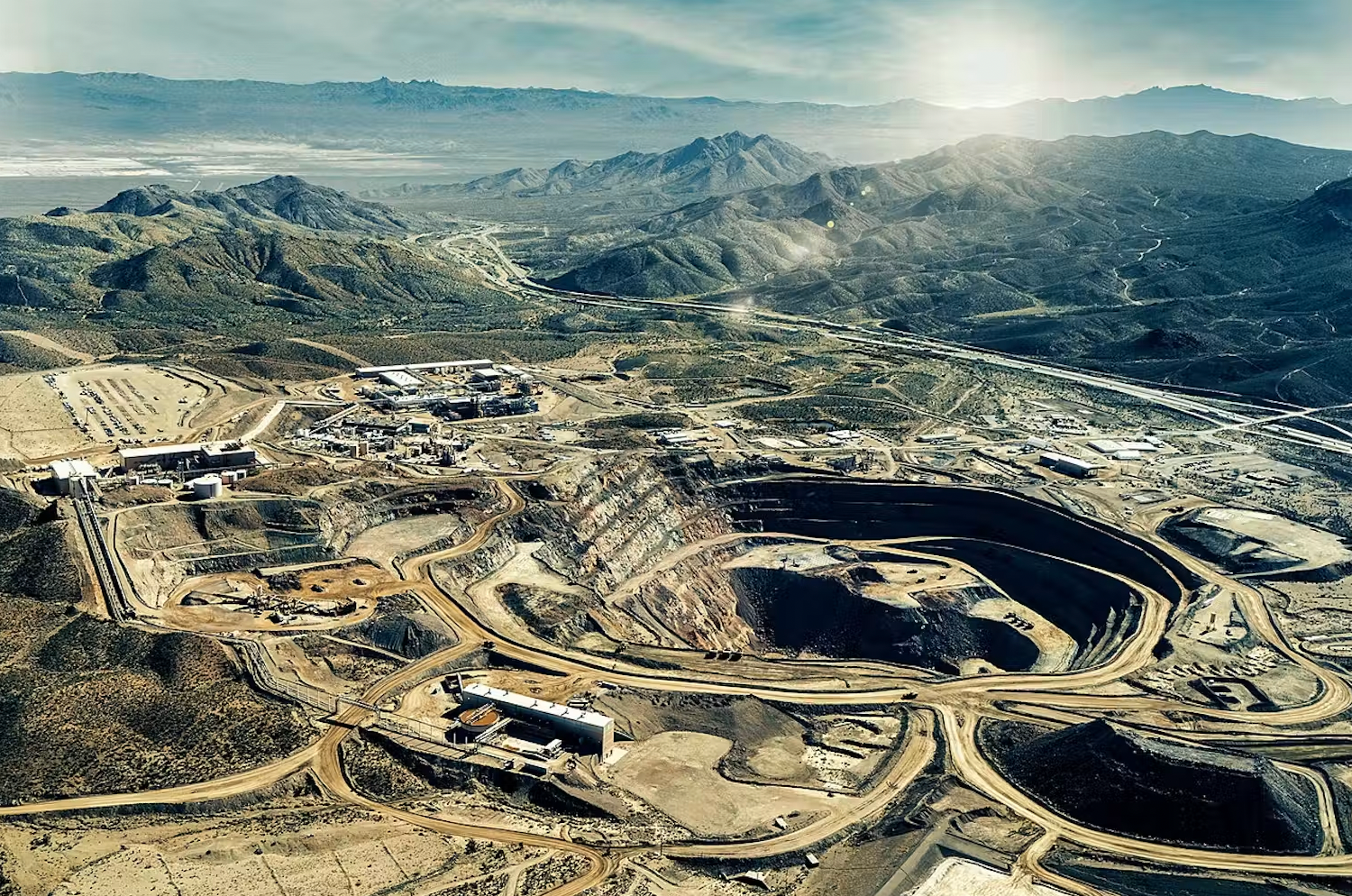
Photo: MP Material’s Mountain Pass Rare Earth Mine and Processing Facility in California, (Tang & McWhorter 2025)
Yet before we rush to the bottom of the ocean, perhaps we should look back at the first time the United States tried. History reveals irreversible damage and unknown risks that may be far greater than we currently understand.
In 1970, a United States’ company, Deepsea Ventures, launched the first deep-sea mining test in Blake Plateau, collecting over 60,000 nodules of manganese, nickel, and cobalt from the ocean floor. (Quaglia, 2025, para. 7).
Although viewed as a great promise for the United States’ economy, the environmental scars left were undeniable.
Tracing the company’s tracks revealed images of vast and severe dredge lines embedded in the ocean floor, with little ocean life surrounding them.
The damage did not stop there…
The machinery used to harvest minerals raised large amounts of sediment from the ground, causing waves of dust and toxic particles to rise.
Mining wastewater released from ships spread across the sunlight zone, harming many marine organisms that were not used to sediment exposure.
Only in 2024 did scientists discover the world’s largest deep-sea reef on Blake Plateau, with approximately 83,000 individual coral mounds. (Quaglia, 2025, para. 15).
As a biodiversity hotspot, the discovery raises a few unsettling questions.
How much marine life may have already been smothered by the sediment plumes from previous deep-sea mining?

Photo: Seafloor disturbance at Blake Plateau test site (NOAA).
If the biodiversity of Blake Plateau had been discovered sooner, would the deep-sea mining tests have gone forward?
Here’s the unsettling part: over 95% of the ocean is unexplored.
Scientists predict that as many as 10 million species may inhabit the deep sea, far more than we might imagine (“The impact of deep-sea mining on biodiversity, climate and human cultures”, 2024, para. 9).
Given that nodule fields, which contain large concentrations of critical minerals, are considered to be more abundant with marine organisms, the risk of losing unknown species is high (“The impact of deep-sea mining on biodiversity, climate and human cultures”, 2024, para. 9).
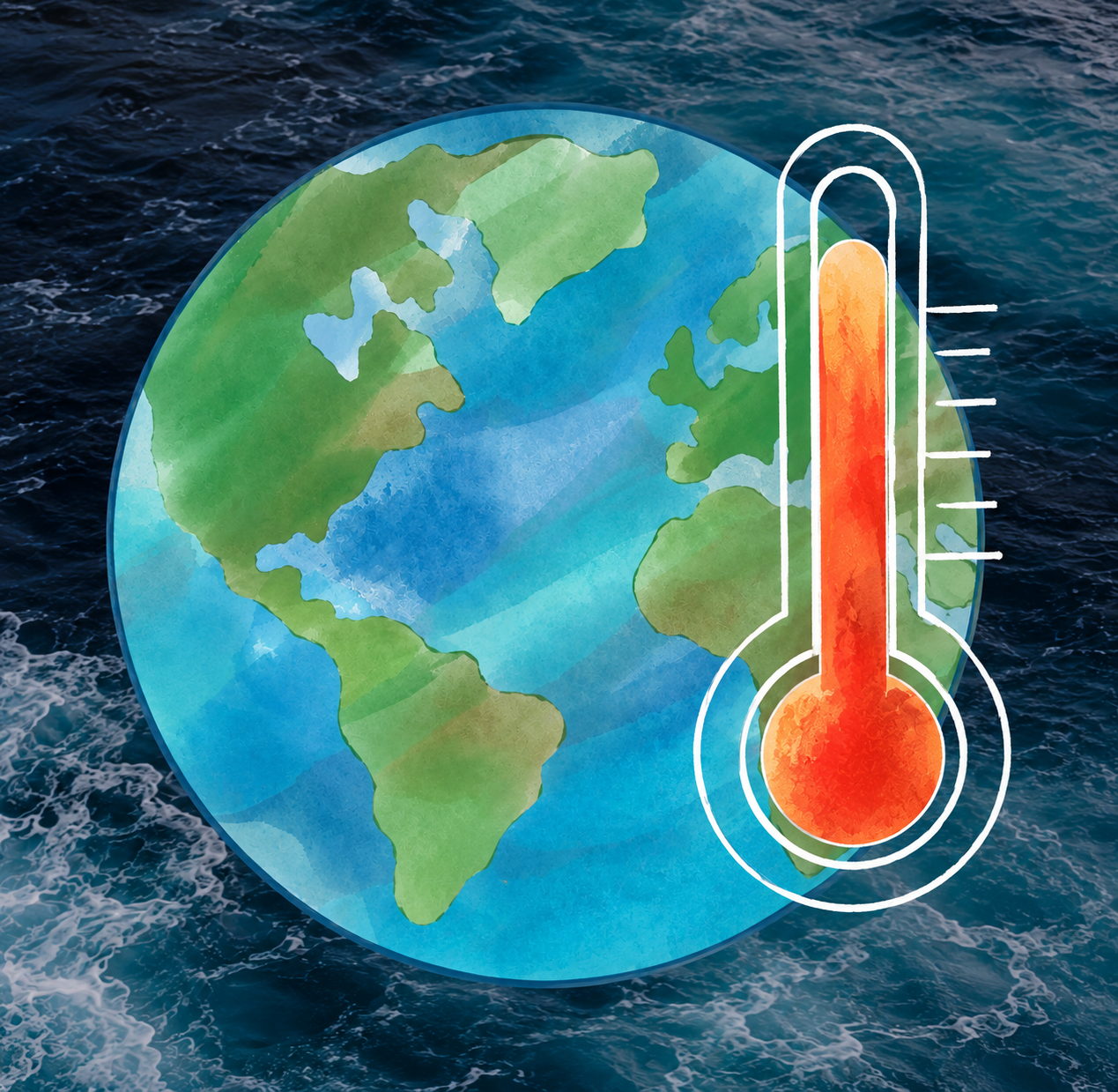
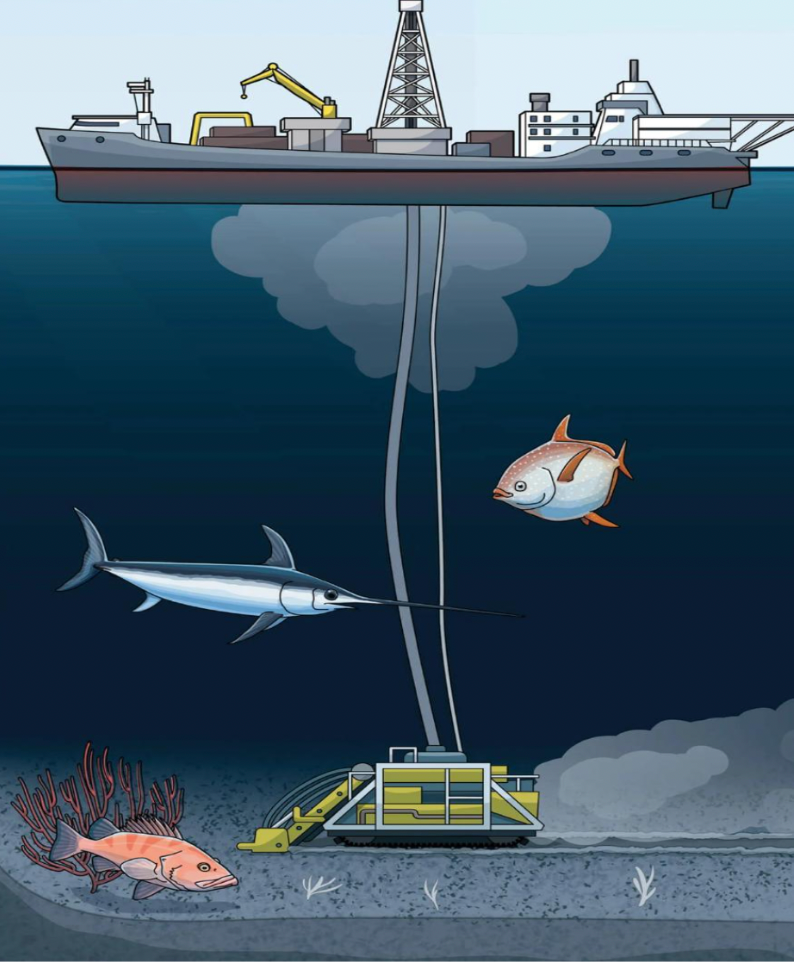
Photo: A processing ship with attached crawler can remove the top 12 inches of seafloor (Munnerlyn 2022)
Deep-sea mining could disturb more than just the ocean.
The climate could feel the impact too.
Because the ocean floor is the Earth’s largest carbon sink with numerous
marine organisms involved in carbon sequestration, deep-sea mining will
undoubtedly disturb the natural carbon cycle.
According to Christopher Robbins, an associate director of Ocean
Conservancy, many marine species help remove and store roughly six
gigatons of carbon from the atmopshere, which is about 14% of the carbon
that humans emit into the atmosphere each year (Quaglia, 2025, para. 13).
At the same time, machinery-driven drilling and dredging could release CO2 back into the atmosphere.
Together, these disruptions to the ocean’s carbon cycle could contribute to rising atmospheric CO2 levels, further intensifying warming both on land and in the ocean.
The ocean is not a lawless frontier.
The push to expand deep-sea mining raises another question: how does the executive order fit within the international rules that govern the ocean?
To pass the order, President Trump used the 1980 Deep Seabed Hard Mineral Resources Act, which enabled the United States to pursue seabed while an international regime was under development (Fogarty, 2025, para. 21).
The key word? ‘Until’.
Just two years later, UNCLOS was adopted, establishing a new international framework for governing the world’s oceans.
By 1994, it had entered into force, and the ISA was established under UNCLOS to oversee deep-sea mining beyond national jurisdictions.
The United States never ratified UNCLOS. However, as Fogarty explains, the United States still must respect international customary law (Fogarty, 2025, para. 25).
So, if the 1980 law was intended to apply only until an international regime was in place, how does it fit with the international framework that exists today?
If increasing the supply of deep-sea critical minerals comes with significant environmental costs, what if we looked for ways to reduce our demand for them instead?
Companies could be given incentives to encourage environmental protection and to develop alternative sources for minerals in order to discourage them from participating in any new deep-sea mining initiatives.
In fact, this is already happening.
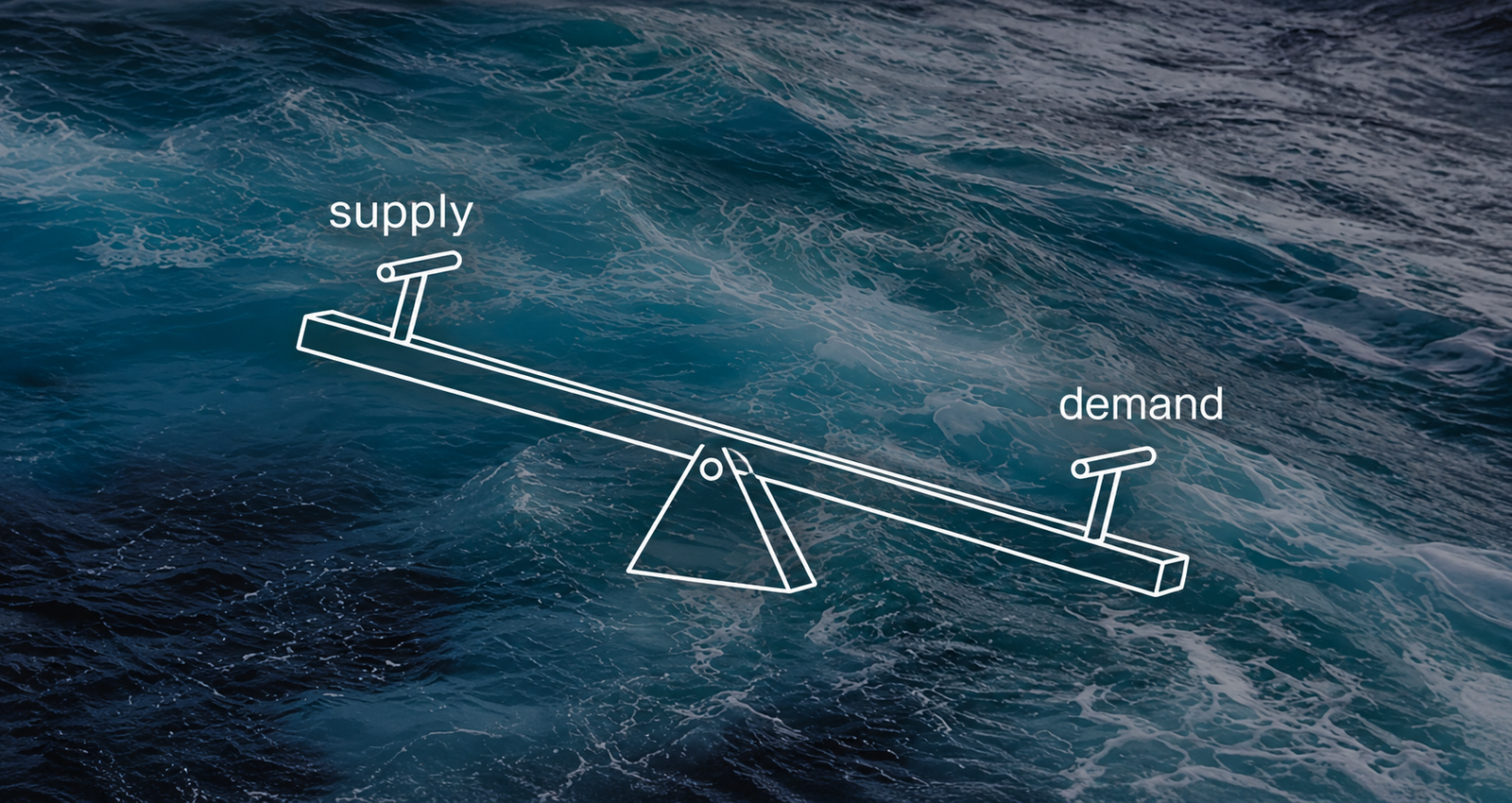
Many prominent IT companies including Google, Microsoft, Apple, and Salesforce have pledged to not use deep-sea mined minerals in their supply chains. (“Endorsers”, n.d.).
As inspiring and widely recognized precedents, their refusal to participate in deep-sea mining projects may influence other companies to not partake as well.
If these minerals are going to be incredibly expensive, would companies actually buy them? (Fogarty, 2025, para. 44).
High extraction and equipment costs translates to high mineral prices on the market, which may potentially deter companies, prompting them to look for more land-based alternatives.
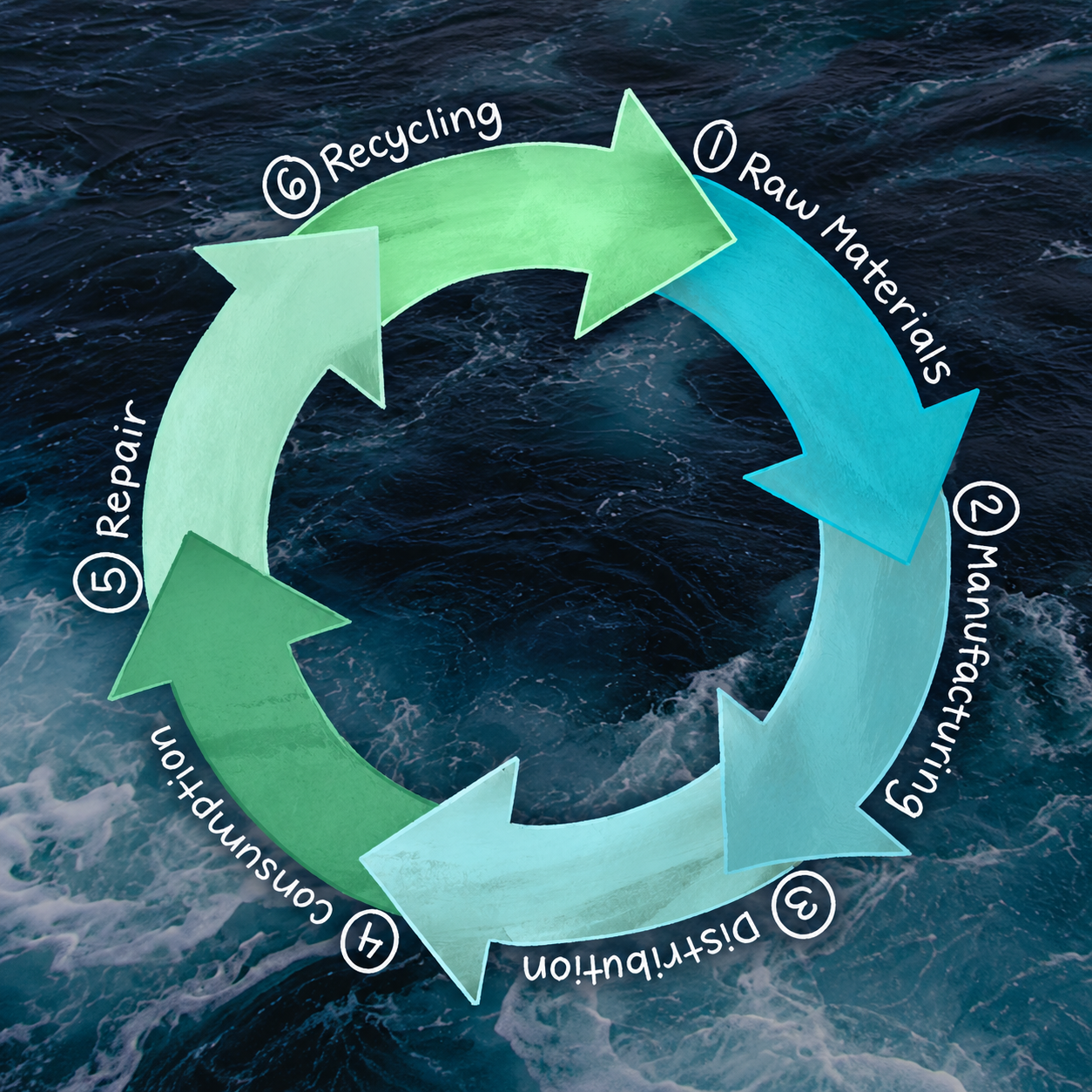
Taking a step further, what if the answer is not mining more, but making better use of we already have?
That’s the idea behind the circular economy, making items last longer, recycling materials, and minimizing new resource extraction.
Extending the lifespan of infrastructure and services can help reduce the annual demand for minerals.
With a greater environmental awareness among corporations and the development of of viable alternatives, we could see less demand for deep-sea mining and in turn, less investment.
President Trump’s executive order to accelerate deep-sea mining puts economic and political measure at the forefront, leaving environmental concerns facing an uncertain future.
Even so, there is a reason for optimism…
Environmental awareness has grown around the world, and with it, concern about the severe environmental consequences of deep-sea mining and the possibility of increased international conflict.
Rather than simply asking how we can extract more, perhaps we should also ask how can we make better use of what we already have.
The executive order may advance President Trump’s objective of reducing trade reliance, but it also raises a broader question about international cooperation.
Climate change is a global challenge that requires countries to work together.
Could deep-sea mining, however, create new tensions that make that cooperation even more difficult?
References
Alam, L., Pradhoshini, K. P., Flint, R. A., & Sumaila, U. R. (2025). Deep-sea mining and its risks for social-ecological systems: Insights from simulation-based analyses. PLOS ONE, 20 (3).
Endorsers. (n.d.-b). https://www.stopdeepseabedmining.org/endorsers/
Fogarty, D. (2025, May 5). Trump’s deep sea minerals order a grave risk for the ocean. NewsBank.inc. https://infoweb.newsbank.com/apps/news/document-view p=WORLDNEWS&t=&sort=YMD_date%3AD&hide_duplicates=2&fld-base-0=alltext&maxresults=60&val-base-0=Trump%27s+deep+sea+minerals+order+a+grave+risk&docref=news%2F1A0610BD764B3F08
Investigation of a historic seabed mining equipment test site on the Blake Plateau – NOAA ocean exploration. (2022). NOAA Ocean Exploration. https://oceanexplorer.noaa.gov/expedition/22seabed-mining/
Ocean threats extend into the deep sea. Monterey Bay Aquarium.org. (2021, December 28). https://www.montereybayaquarium.org/stories/deep-sea-threats Quaglia, S. (2025, May 19).
Scars from the world’s first deep sea mining test 50 Years on. BBC News. https://www.bbc.com/future/article/20250509-blake-plateau-the-uss-50-year-old-scars-from-the-worlds-first-deep-sea-mining-test-siteTang, Y. & McWhorter, S. (2025, May 6).
How the US can mine its own critical minerals − without digging new holes. The Conversation. https://theconversation.com/how-the-us-can-mine-its-own-critical-minerals-without-digging-new-holes-252609
The impact of deep-sea mining on biodiversity, climate and human cultures. IUCN NL. (2024, May 1). https://www.iucn.nl/en/story/the-impact-of-deep-sea-mining-on-biodiversity-climate-and-human-cultures/